
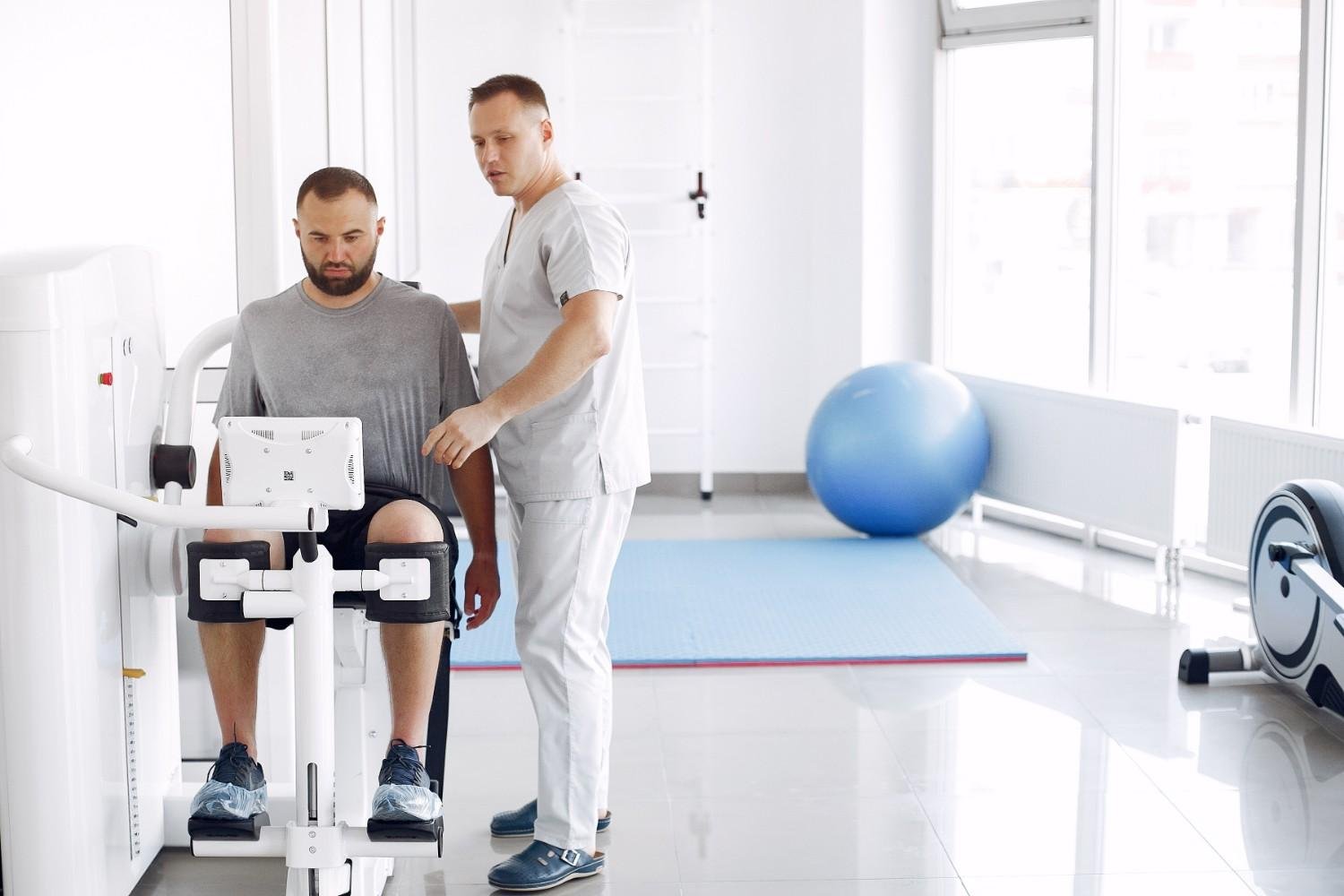
Date: 09 May 2026 | Category : physiotherapy rehabilitation centre
Authored by Neurigo 360 Recovery after an injury, surgery, or neurological condition requires the right medical support and rehabilitation plan. At the Best Physiotherapy Rehabilitation Centre in Delhi, patients receive personalised therapies that improve strength, mobility, coordination, and independence. Physiotherapy rehabilitation not only reduces pain but also helps individuals return to daily activities with greater confidence and comfort. Modern rehabilitation centres now treat a wide range of conditions through advanced physiotherapy techniques, neurological rehabilitation, occupational therapy, gait training, and speech therapy. Moreover, customised treatment plans help patients recover faster and achieve long-term wellness goals. For fast notification, contact us on WhatsApp. Neurological rehabilitation plays a major role in restoring movement and improving quality of life. Many patients struggle with balance, muscle weakness, coordination problems, and mobility limitations after neurological conditions. Therefore, rehabilitation specialists create structured therapy programs according to individual needs. Conditions commonly treated include: Stroke rehabilitation Parkinson’s disease Multiple sclerosis Spinal cord injury Traumatic brain injury Guillain-Barré syndrome Transverse myelitis Cerebral palsy Advanced therapies such as functional electrical stimulation, balance training, and gait therapy support nerve and muscle recovery. For greater independence, therapists also concentrate on enhancing posture, gait, and muscular coordination. Stroke rehabilitation requires consistent therapy and expert guidance. After a stroke, many patients experience weakness on one side of the body, speech difficulties, and impaired balance. However, early physiotherapy intervention can significantly improve recovery outcomes. At the Best Physiotherapy Rehabilitation Centre in Delhi, stroke rehabilitation programs often include: Mobility training Strengthening exercises Balance improvement sessions Speech therapy Functional movement retraining Occupational therapy Therapists also educate family members about supportive care and home exercises. Consequently, patients regain confidence and perform daily tasks more effectively. Physiotherapy rehabilitation is highly effective for orthopaedic problems that affect bones, joints, muscles, and ligaments. These conditions often cause chronic pain, stiffness, and reduced mobility. Therefore, rehabilitation centres focus on restoring joint movement and muscle strength through targeted therapies. Common orthopaedic conditions treated include: Back pain Neck pain Frozen shoulder Sports injuries Arthritis Ligament injuries Post-fracture stiffness Post-surgical rehabilitation Stretching exercises, electrotherapy, strengthening programs, and posture correction techniques help patients recover safely. Furthermore, regular physiotherapy sessions improve flexibility and reduce the chances of future injuries. Children with developmental or neurological disorders also benefit greatly from rehabilitation services. Early intervention improves physical development, communication skills, and motor coordination. As a result, children achieve better participation in daily and social activities. Conditions treated under pediatric rehabilitation include: Cerebral palsy Autism spectrum disorder ADHD Developmental delays Muscle weakness disorders Therapists use playful and interactive therapy methods to encourage movement and learning. Additionally, customised therapy sessions help children build confidence and independence over time. Athletes and active individuals frequently suffer from muscle strains, ligament tears, and joint injuries. Sports rehabilitation programs aim to restore flexibility, endurance, and muscle performance while preventing re-injury. Treatment plans may involve: Muscle strengthening Joint mobilisation Balance exercises Cardiovascular conditioning Functional movement training Moreover, physiotherapists guide patients through safe return-to-sport protocols. This structured recovery approach improves performance and minimises long-term complications. Walking difficulties and balance disorders can affect people of all age groups. These problems may develop due to neurological disorders, ageing, injuries, or surgeries. Therefore, specialised gait training programs focus on improving walking mechanics and body stability. Rehabilitation specialists use: Balance trainers Functional movement therapy Walking support systems Strength and coordination exercises These therapies improve posture, mobility, and confidence during movement. Consequently, patients experience fewer falls and better overall function. Modern rehabilitation centres now use advanced technologies to support faster and more effective recovery. Innovative therapies help improve muscle activation, movement control, and neurological recovery. Some advanced rehabilitation therapies include: Hydrotherapy Electrotherapy Functional electrical stimulation NeuroSuit therapy Spider Cage therapy Dynamic Movement Intervention Whole body vibration therapy These therapies are combined with personalised exercise programs for better treatment outcomes. Furthermore, advanced rehabilitation equipment supports patients with severe mobility challenges. Successful rehabilitation requires consistency, motivation, and patient-focused care. The Best Physiotherapy Rehabilitation Centre in Delhi creates customised treatment plans after detailed physical assessments. Therapists continuously monitor progress and adjust therapy techniques according to patient improvement. Long-term rehabilitation support may include: Home exercise guidance Functional training Pain management programs Mobility improvement strategies Lifestyle and posture education Additionally, multidisciplinary care involving physiotherapists, occupational therapists, and speech therapists ensures comprehensive recovery support. Choosing an experienced rehabilitation centre directly affects recovery quality and long-term outcomes. Patients should look for centres that provide evidence-based therapies, advanced rehabilitation technology, and personalised care. Key factors to consider include: Qualified rehabilitation specialists Advanced physiotherapy equipment Individualised treatment plans Comprehensive rehabilitation services Supportive therapy environment Moreover, centres offering neurological rehabilitation and multidisciplinary care often provide more effective recovery solutions for complex conditions. Physiotherapy rehabilitation centres treat a wide range of neurological, orthopaedic, pediatric, and sports-related conditions. From stroke recovery and spinal cord rehabilitation to balance training and pain management, physiotherapy plays an essential role in improving mobility and independence. The Best Physiotherapy Rehabilitation Centre in Delhi focuses on personalised treatment, advanced therapies, and long-term recovery support to help patients regain confidence and improve their quality of life. With expert guidance, modern rehabilitation techniques, and consistent therapy, patients can achieve better movement, reduced pain, and enhanced daily functioning.Neurological Disorders Treated at a Physiotherapy Rehabilitation Centre
Stroke Recovery at the Best Physiotherapy Rehabilitation Centre in Delhi
Orthopaedic Conditions Managed Through Physiotherapy Rehabilitation
Pediatric Rehabilitation and Developmental Conditions
Sports Injury Rehabilitation and Mobility Recovery
Gait Training and Balance Rehabilitation
Advanced Therapies Offered at a Physiotherapy Rehabilitation Centre
How the Best Physiotherapy Rehabilitation Centre in Delhi Supports Long-Term Recovery
Importance of Choosing the Right Physiotherapy Rehabilitation Centre
Conclusion