
Date: 10 Oct 2026 | Category : brain injury rehabilitation
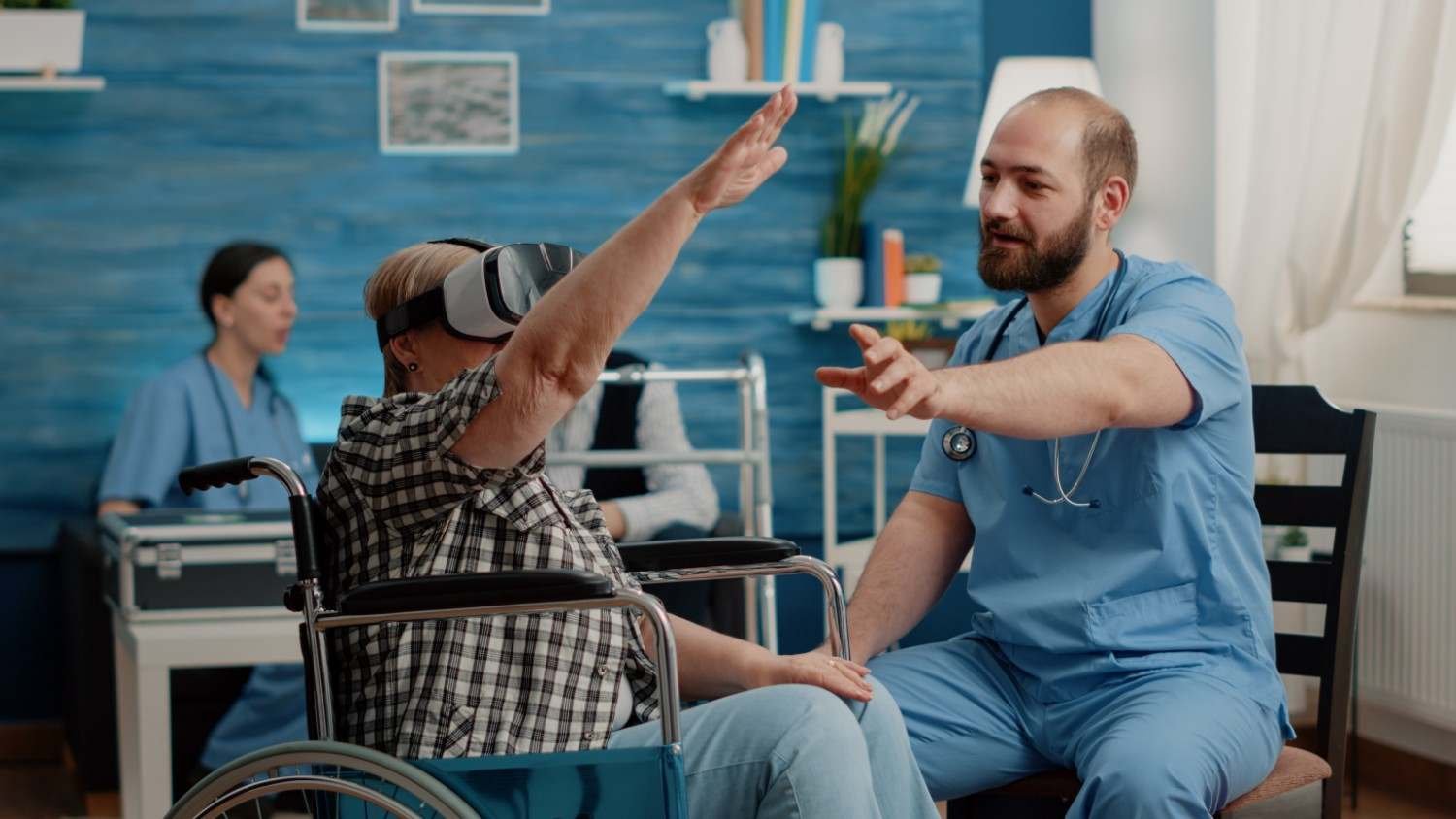
Brain injuries can affect movement, speech, memory, concentration, and everyday activities. With the right care, many individuals can work towards improving their independence and quality of life. Brain Injury Rehabilitation in Delhi NCR focuses on helping patients regain essential skills through structured therapy, personalised treatment plans, and ongoing support. Neuro rehabilitation is an important part of recovery after a traumatic brain injury, stroke, or other neurological condition. It addresses each patient's specific needs and helps them make progress at a pace suited to their condition. Neuro rehabilitation is a specialised programme designed to help people recover or improve abilities affected by damage to the brain, spinal cord or nervous system. It may begin in a hospital and continue in a rehabilitation centre or at home, depending on the patient's medical condition. The goal is to improve physical function, communication, thinking skills, and participation in daily life. Brain Injury Rehabilitation in Delhi NCR may involve several healthcare professionals working together to support a patient's recovery. A brain injury can affect people differently. Some patients experience weakness or balance problems, while others face difficulties with speech, memory, or emotional regulation. These challenges can make routine activities harder. Rehabilitation helps address these difficulties through targeted exercises and practical strategies. Early assessment can help the care team identify suitable therapies and establish realistic goals. However, the timing and intensity of rehabilitation should always depend on medical stability and professional advice. Physiotherapy helps patients improve strength, flexibility, coordination, and balance. Exercises may focus on sitting, standing, walking, and performing movements safely. A physiotherapist develops activities according to the patient's abilities. Regular practice can support mobility and reduce the risk of falls. Occupational therapy helps people practise everyday tasks, such as dressing, eating, bathing and using household items. Therapists may also recommend adaptations that make daily activities safer and easier. The aim is to improve independence while helping patients participate in meaningful routines. Some brain injuries affect speech, language comprehension, memory, or swallowing. Speech and language therapy addresses these difficulties through exercises and personalised communication strategies. The therapist may also guide family members on how to communicate more effectively with the patient. Cognitive rehabilitation focuses on skills such as attention, planning, memory, and problem-solving. Patients may practise structured tasks and learn strategies to manage everyday challenges. Progress depends on the nature and severity of the injury, overall health, and consistency of therapy. Brain injury rehabilitation may benefit people recovering from: Traumatic brain injuries caused by road accidents, falls, or other impacts. Brain injuries requiring treatment after hospital discharge. Neurological conditions that affect movement, communication,n or cognitive abilities. Injuries that interfere with personal care, work, or everyday routines. Not every patient needs the same combination of therapies. A professional assessment helps determine the most appropriate rehabilitation plan. Recovery usually begins with an assessment of the patient's medical history, physical abilities, communication skills, and cognitive function. The rehabilitation team then sets measurable goals based on individual needs. Therapy may include supervised exercises, repeated daily tasks, and strategies for managing difficulties at home. As the patient progresses, the programme can be adjusted to reflect changing abilities. Families also play an important role. Following professional guidance, maintaining a safe environment and encouraging appropriate practice can help support recovery. Some patients make progress quickly, while others require longer-term assistance. When considering Brain Injury Rehabilitation in Delhi NCR, look for a centre that offers individual assessments, clear rehabilitation goals, and appropriate therapy services. Ask about the professionals involved, how progress is monitored, and how family members can participate in care. It is also helpful to understand the proposed treatment plan, expected challenges, and follow-up arrangements. Choose care based on the patient's clinical needs rather than relying on promises of a guaranteed recovery. Neurigo 360 provides a starting point for exploring neuro rehabilitation services. Contact the team to understand the available options and whether they are suitable for the patient's requirements. Neuro rehabilitation can play an important role in helping people rebuild abilities after a brain injury. Physiotherapy, occupational therapy, speech and language therapy, and cognitive rehabilitation may address different aspects of recovery. With individualised goals, consistent professional support, and family involvement, patients can work towards greater independence and improved daily functioning. If you are exploring Brain Injury Rehabilitation in Delhi NCR, seek a professional assessment to understand the most suitable care options for your needs. Neuro rehabilitation is a structured programme that helps people improve movement, communication, cognitive skills, and everyday functioning after a brain injury. Rehabilitation may begin once the patient is medically stable. The treating team determines the appropriate timing and intensity based on the injury and overall health. The duration varies according to the severity of the injury, the patient's progress, and individual goals. Some people need short-term therapy, while others benefit from ongoing support. Depending on the patient's needs, rehabilitation may include physiotherapy, occupational therapy, speech and language therapy, and cognitive rehabilitation. You can contact Neurigo 360 to enquire about available neuro rehabilitation services and discuss whether the options offered are suitable for the patient's needs. For more information about Neurigo 360, visit https://share.google/PZcQhGSg1HXKihfay to learn more about their services or to book an appointment.Introduction
What Is Neuro Rehabilitation?
For fast notification, contact us on WhatsApp.
Why Is Brain Injury Rehabilitation Important?
Types of Therapy Used After a Brain Injury
1. Physiotherapy for Movement and Balance
2. Occupational Therapy for Daily Activities
3. Speech and Language Therapy
4. Cognitive Rehabilitation
Who Needs Brain Injury Rehabilitation in Delhi NCR?
What to Expect During the Recovery Process
Choosing Brain Injury Rehabilitation in Delhi
Conclusion
Frequently Asked Questions (FAQs)
1. What is neuro rehabilitation after a brain injury?
2. When should brain injury rehabilitation begin?
3. How long does brain injury rehabilitation take?
4. Which therapies are used during brain injury rehabilitation?
5. Where can I explore brain injury rehabilitation in Delhi NCR?