
Date: 24 Oct 2026 | Category : spinal cord injury rehabilitation
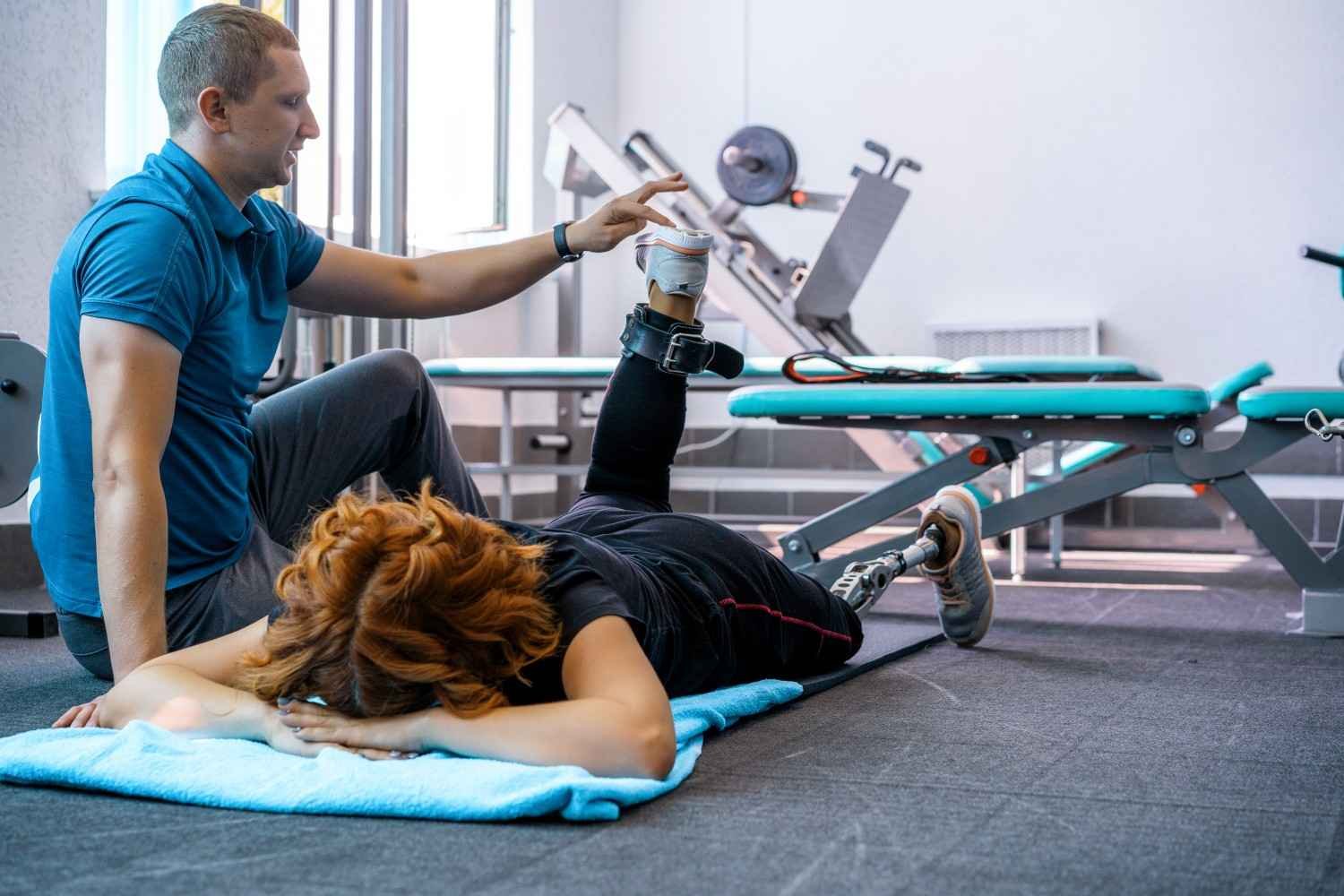
A spinal cord injury can affect movement, balance, sensation, and everyday activities. Spinal Cord Injury Rehabilitation in Delhi NCR focuses on helping individuals improve their functional abilities, manage physical challenges, and work towards greater independence. With a personalised rehabilitation plan, people can receive care based on their injury, current abilities, and recovery goals. At Neurigo 360, rehabilitation focuses on individual needs and practical goals. The right approach may include physiotherapy, mobility training, functional exercises, and guidance for daily activities, depending on a person's clinical condition and assessment. For fast notification, contact us on WhatsApp. Spinal cord injury rehabilitation is a structured process that helps individuals adapt to physical changes following an injury. The spinal cord carries messages between the brain and the body. Damage to it may affect movement, sensation, coordination, and other bodily functions. Spinal Cord Injury Rehabilitation in Delhi NCR may involve different therapies depending on the level and severity of the injury. The rehabilitation team assesses the person's abilities and identifies areas that require support. The main goals may include improving mobility, maintaining joint flexibility, building strength where possible, preventing complications, and supporting safe participation in daily life. Every spinal cord injury is different. Some people may experience changes in leg movement, while others may have difficulties affecting their arms, trunk, balance, or breathing. Therefore, a standard plan may not meet everyone's needs. Personalised rehabilitation care considers the injury, medical stability, functional abilities, and personal goals. The programme may be adjusted as the individual's needs change. A tailored plan can help individuals work towards meaningful goals, such as improving sitting balance, transferring between a bed and wheelchair, or managing selected daily activities more safely. Progress varies from person to person and depends on several clinical factors. A rehabilitation programme may combine several approaches based on professional assessment. Physiotherapy may help maintain flexibility, support muscle strength where possible, and improve movement control. Exercises are selected according to the person's abilities and medical condition. The therapist may also guide positioning, stretching, and movement techniques to help reduce stiffness and support joint health. Mobility training focuses on helping individuals move as safely and effectively as possible. Depending on their needs, sessions may include sitting balance, transfer practice, wheelchair skills, standing activities, or supported walking. Not every person will be suitable for every activity. Training should be planned according to the injury and the recommendations of the treating team. Everyday tasks can become challenging after a spinal cord injury. Rehabilitation may include practising activities such as dressing, grooming, moving between surfaces, and using suitable assistive devices. This training aims to improve confidence, encourage safe techniques, and support greater participation in daily routines. People living with spinal cord injuries may need guidance on skin care, positioning, pressure injury prevention, joint protection, and safe movement. Depending on the injury, they may also require support for bladder, bowel, respiratory, or other health-related needs from the appropriate healthcare professionals. Education helps individuals and caregivers understand daily care requirements and recognise when medical advice is needed. Rehabilitation may be recommended for people whose spinal cord injuries have affected movement, sensation, balance, or everyday functioning. It can form part of care after traumatic injuries, such as those caused by accidents, or certain non-traumatic conditions affecting the spinal cord. Spinal Cord Injury Rehabilitation in Delhi NCR should begin with an appropriate clinical assessment. The treating team can identify suitable therapies, establish realistic goals, and determine whether additional specialist care is needed. Rehabilitation needs may also change over time. Regular reassessment helps ensure that activities remain appropriate as abilities, health needs, and goals evolve. When considering a rehabilitation service, look for an individualised assessment, qualified rehabilitation professionals, clear treatment goals, and regular progress reviews. It is also helpful to understand how the programme addresses mobility, daily activities, caregiver education, and safety. At Neurigo 360, individuals and families can enquire about rehabilitation options suited to their needs. Discuss the injury history, current limitations, medical advice, and personal goals with the care team before beginning a programme. Spinal Cord Injury Rehabilitation in Delhi NCR can play an important role in helping individuals manage physical challenges and work towards improved function and independence. Personalised physiotherapy, mobility practice, daily activity training, and education may form part of a comprehensive rehabilitation plan. At Neurigo 360, rehabilitation needs should be discussed with the appropriate professionals so that care can be planned around the individual's condition and goals. Although outcomes differ, a structured and regularly reviewed programme can help individuals and caregivers work towards practical, meaningful improvements. It is a planned process that may include physiotherapy, mobility training, functional activities, and education to support movement, daily functioning, and safe participation in everyday life. People who experience changes in movement, sensation, balance, or daily functioning after a spinal cord injury may benefit from rehabilitation following assessment by their healthcare team. Depending on the individual's needs, rehabilitation may include physiotherapy, stretching, strengthening where appropriate, balance and transfer training, wheelchair skills, and daily activity practice. The duration varies according to injury severity, medical condition, functional goals, and progress. The rehabilitation team can recommend a plan and review it regularly. Rehabilitation may help a person develop safer movement strategies, practise daily activities, and use assistive devices where appropriate. The level of improvement differs for each individual. For more information about Neurigo 360, visit https://share.google/PZcQhGSg1HXKihfay to learn more about their services or to book an appointment.What Is Spinal Cord Injury Rehabilitation?
Why Is Personalised Rehabilitation Care Important?
Key Therapies Used in Spinal Cord Injury Rehabilitation in Delhi NCR
1. Physiotherapy and Therapeutic Exercises
2. Mobility and Balance Training
3. Functional and Daily Activity Training
4. Education and Prevention of Complications
Who May Benefit from Spinal Cord Injury Rehabilitation?
Choosing Spinal Cord Injury Rehabilitation in Delhi NCR
Conclusion
Frequently Asked Questions
1. What is spinal cord injury rehabilitation?
2. Who needs spinal cord injury rehabilitation?
3. What therapies are included in spinal cord injury rehabilitation?
4. How long does spinal cord injury rehabilitation take?
5. Can spinal cord injury rehabilitation improve independence?