
Date: 15 Oct 2026 | Category : stroke rehabilitation
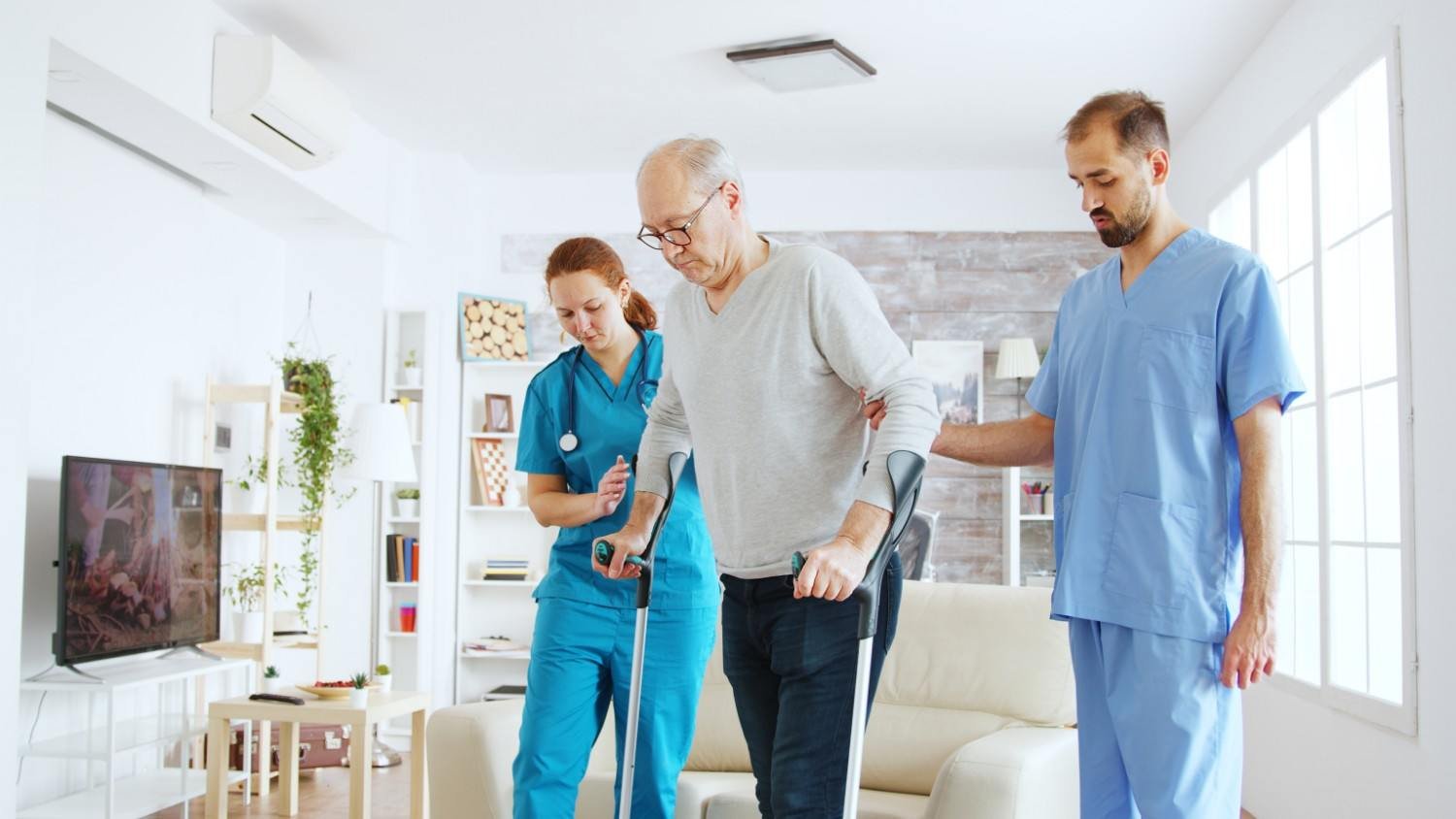
A stroke can affect a person's ability to walk, speak, maintain balance, and perform everyday activities independently. Recovery often requires consistent rehabilitation, professional guidance, and support from family members. Choosing the right Stroke Rehabilitation in Hyderabad can help patients work towards improving their mobility, communication, coordination, and quality of life after a stroke. Stroke recovery is different for every individual. The rehabilitation plan depends on the severity of the stroke, the areas of the brain affected, existing medical conditions, and the patient's functional abilities. With a personalised approach, patients can gradually work towards regaining independence and managing daily activities more confidently. For fast notification, contact us on WhatsApp. Why Is Stroke Rehabilitation Important? A stroke may cause muscle weakness, paralysis on one side of the body, difficulty speaking, swallowing problems, memory changes, or reduced coordination. These challenges can make routine activities such as dressing, eating, standing, and walking difficult. Rehabilitation focuses on addressing these difficulties through structured therapy and regular progress assessments. An appropriate programme helps patients practise functional movements, develop strategies for daily activities, and adapt to changes in their physical or cognitive abilities. Early assessment and timely rehabilitation are important. The treating medical team determines when therapy should begin and which activities are safe for the patient's condition. A comprehensive rehabilitation programme may include different therapies according to the patient's needs. Physiotherapy plays an important role in helping stroke survivors improve movement, balance, muscle control, and walking ability. Exercises may focus on sitting safely, standing, transferring between surfaces, strengthening affected limbs, and practising walking with suitable support. A physiotherapist assesses the patient's current abilities and gradually adjusts exercises according to progress. Regular supervised practice can help patients develop better movement patterns and reduce the risk of falls. Stroke survivors may find it difficult to perform everyday tasks independently. Occupational therapy helps them practise activities such as bathing, dressing, eating, grooming, and using household items. Therapists may recommend adaptive equipment, safer movement techniques, and modifications to the home environment. The goal is to help patients perform daily activities as independently and safely as possible. Some patients experience difficulty speaking, understanding language, reading, or expressing their thoughts after a stroke. Others may have swallowing difficulties that require specialised assessment. Speech and language therapy addresses communication challenges through exercises and practical strategies suited to the patient's condition. Swallowing problems should be assessed by qualified professionals before changes are made to food or liquid consistency. A stroke can affect attention, memory, problem-solving, and emotional well-being. Some individuals may also experience anxiety, frustration, or low mood during recovery. Cognitive rehabilitation and appropriate psychological support can help patients manage these challenges. Family involvement and realistic recovery goals also contribute to a supportive rehabilitation environment. Selecting an appropriate Stroke Rehabilitation Centre in Hyderabad is an important decision for patients and caregivers. The right facility should assess the patient's individual requirements rather than follow the same treatment plan for everyone. Consider the following factors when evaluating a rehabilitation centre: Personalised assessment: The rehabilitation team should evaluate movement, communication, cognition, and daily living abilities. Qualified professionals: Look for appropriately trained therapists with experience in neurological rehabilitation. Individual treatment plans: Therapy goals should reflect the patient's condition, abilities, and recovery priorities. Progress monitoring: Regular assessments help the team adjust exercises and treatment strategies. Caregiver education: Families should receive guidance on safe assistance, positioning, mobility, and home-based practice. Convenient access: A suitable location and manageable appointment schedule can support consistent participation in rehabilitation. These factors can help families make a more informed decision about post-stroke care. Stroke recovery generally involves gradual progress rather than immediate results. Some patients may regain certain abilities relatively quickly, while others require longer periods of structured therapy and assistance. The rehabilitation team may establish short-term goals, such as improving sitting balance or transferring safely, followed by longer-term goals involving walking, communication, or greater independence in daily activities. Consistent attendance, safe home exercises prescribed by therapists, adequate nutrition, and management of underlying medical conditions can support the recovery process. However, outcomes vary, and rehabilitation cannot guarantee complete recovery. Caregivers should encourage patients without rushing them or comparing their progress with others. Any sudden deterioration or new stroke symptoms require emergency medical attention rather than a routine rehabilitation appointment. Choosing the right Stroke Rehabilitation in Hyderabad can play an important role in helping stroke survivors improve mobility, communication, balance, and independence in daily activities. With personalised therapy, regular progress assessments, and appropriate caregiver support, patients can work towards achieving their individual recovery goals. When selecting a Stroke Rehabilitation Centre in Hyderabad, consider the availability of qualified professionals, customised rehabilitation plans, and ongoing support. Neurigo 360 can be contacted to enquire about stroke recovery services and discuss suitable rehabilitation options for you or your loved one. Stroke rehabilitation is a structured programme of therapies designed to help patients improve movement, balance, communication, cognitive abilities, and independence after a stroke. Rehabilitation may begin once the patient's medical condition is stable and the treating team considers therapy safe. The timing and intensity depend on the severity of the stroke and the individual's health. Stroke rehabilitation may include physiotherapy, occupational therapy, speech and language therapy, cognitive rehabilitation, and caregiver education, depending on the patient's individual needs. The duration varies depending on the severity of the stroke, the patient's overall health, and their response to therapy. Some patients need rehabilitation for weeks, while others may benefit from ongoing support for several months or longer. Some stroke survivors regain walking ability through appropriate rehabilitation, balance training, and mobility exercises. Progress varies, and the treatment plan should be based on the patient's functional abilities and medical condition. Families can support recovery by following the rehabilitation team's instructions, maintaining a safe home environment, encouraging prescribed exercises, attending appointments, and helping patients practise daily activities without compromising their safety. Look for a rehabilitation service that offers individual assessments, qualified professionals, personalised therapy plans, regular progress monitoring, and guidance for caregivers. Discuss your specific requirements with the team before beginning treatment. For more information about Neurigo 360, visit https://share.google/PZcQhGSg1HXKihfay to learn more about their services or to book an appointment.What Therapies Are Included in Stroke Rehabilitation?
1. Physiotherapy for Mobility and Strength
2. Occupational Therapy for Daily Activities
3. Speech and Language Therapy
4. Cognitive and Emotional Support
How to Choose a Stroke Rehabilitation Centre in Hyderabad
What Can Patients Expect During Stroke Recovery?
Conclusion
Frequently Asked Questions (FAQs)
1. What is stroke rehabilitation?
2. When should stroke rehabilitation begin?
3. What therapies are available at a Stroke Rehabilitation Centre in Hyderabad?
4. How long does stroke rehabilitation take?
5. Can stroke patients regain their ability to walk?
6. How can families support stroke recovery at home?
7. How can I find suitable Stroke Rehabilitation in Hyderabad?